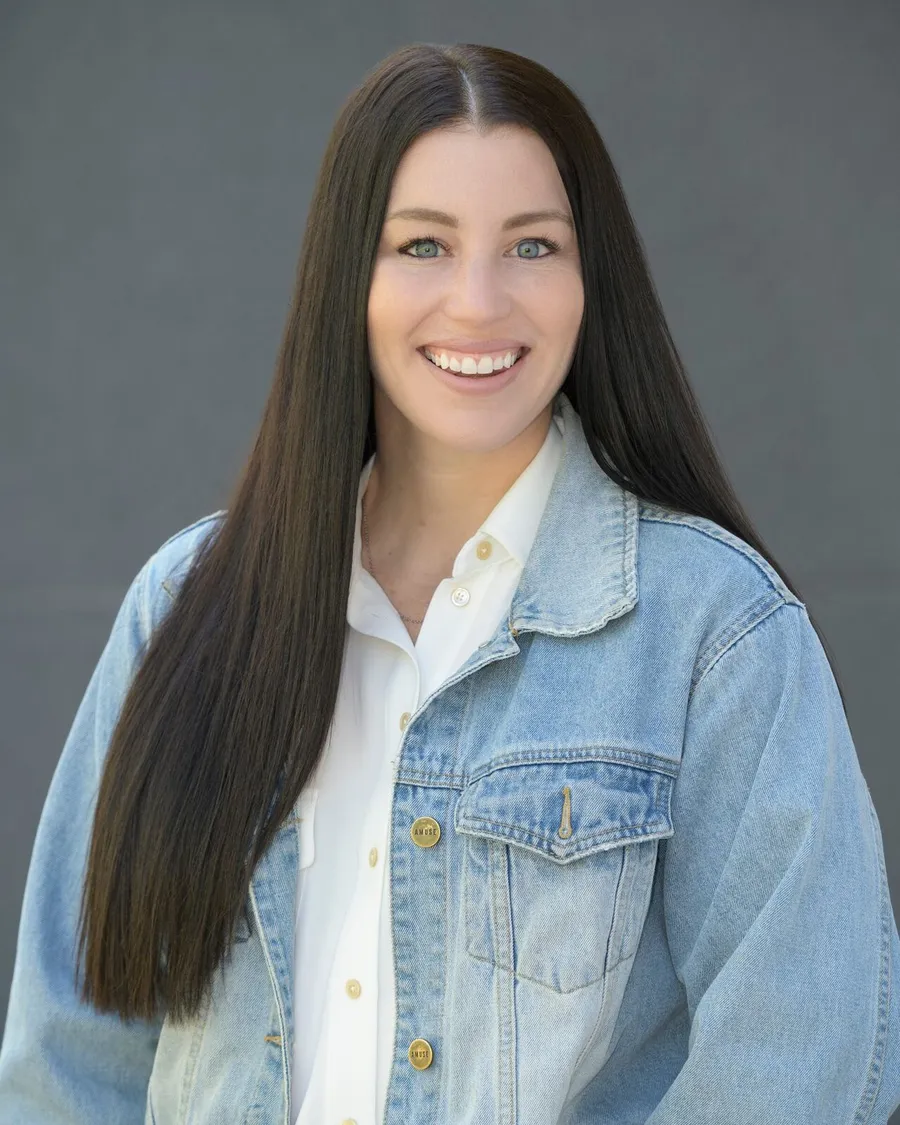
Tally Mack
CEO
Involved from the beginning. I may have been the foundation, but she's been central to turning it into a company that can grow and continue beyond me.
Our story
I've been around pawn shops for most of my life. If I walk into a store, I almost automatically start rearranging the workflow in my head. That's either decades of experience or a condition somebody should probably diagnose.
Steve Mack, founder and chairman of Bravo Store Systems
Long before anyone around me used the words "first principles," we were trying to answer a very basic question:
What absolutely has to happen here, and what is the clearest, simplest, most reliable way to make it happen?
That question is still how we build Bravo. Here's where it came from.
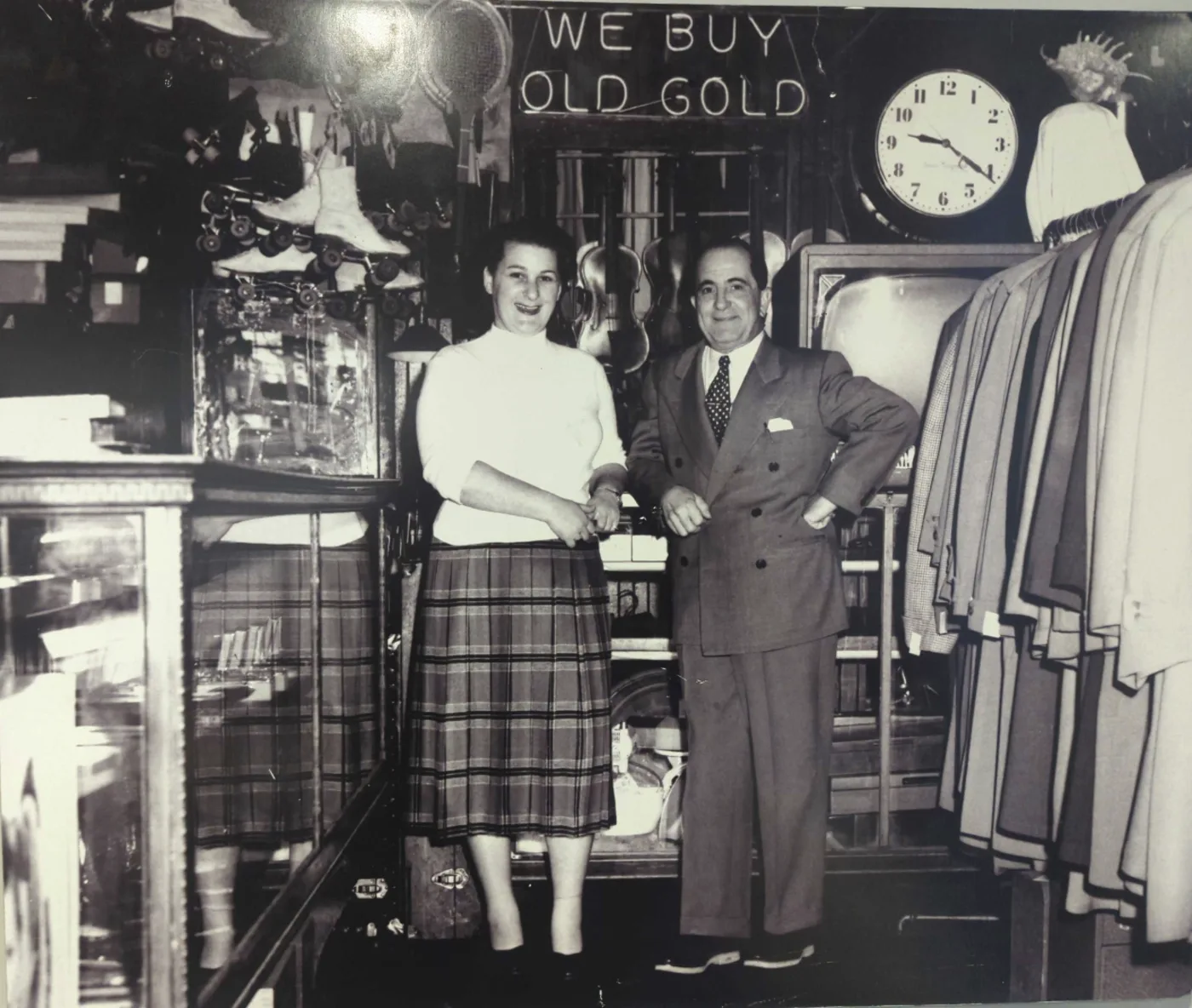
Our family has roots in the pawn business going back generations. For me, those weren't stories in a family album. That was everyday life. I learned from my grandfather, my uncle, my parents, and the people who worked alongside them. I was around nine when I started to understand the business, not just as merchandise and transactions, but as people making difficult decisions every day.
A pawn shop looks simple from the outside. Someone brings in an item. Someone makes an offer. A ticket gets written. But the person behind the counter is making a surprising number of decisions.
Someone walks in carrying an item that might be important to them. There may be a bill due, a family expense, or simply an opportunity to sell something they no longer need. The employee has to be respectful and fast, but also careful. The owner needs a fair transaction and a clear record. All of it has to happen at the same time.
If you've worked the counter, you know a transaction is a conversation, a judgment, a negotiation, and a legal record, all at once.
Small mistakes compound. A sloppy description becomes a pricing mistake. A missing field becomes a compliance problem. A slow workflow becomes a line of frustrated customers. You can lose a business a few seconds at a time, a few dollars at a time, or one preventable regulatory mistake at a time.
The people who own these businesses have their livelihoods attached to them. It's their name on the door. It's their family, their employees, and their financial future.
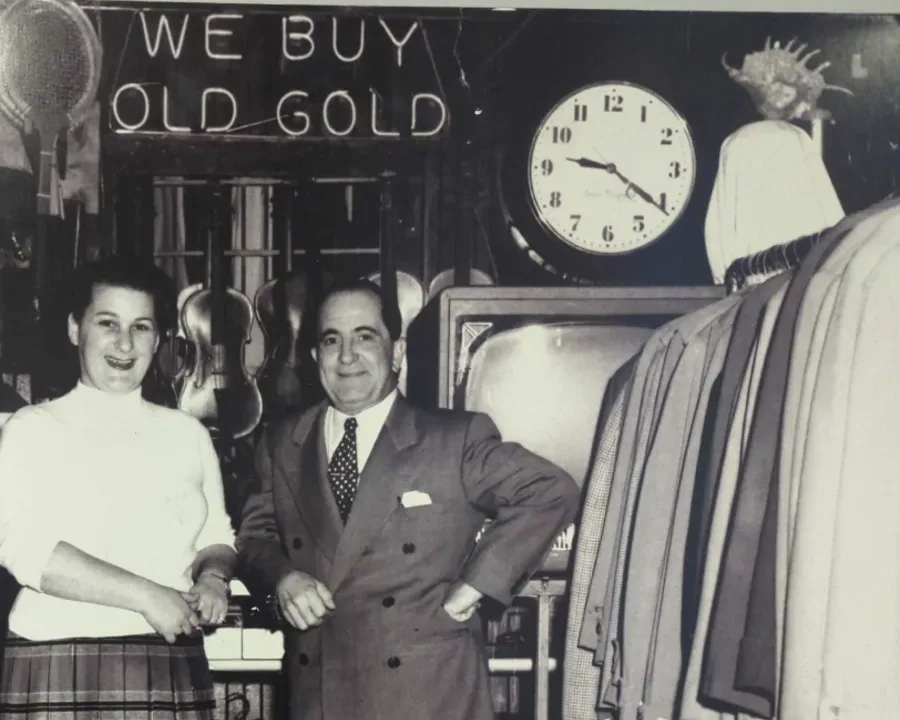
Every item on those shelves was somebody's decision about value, trust, and a record kept.That's the job Bravo is built around today.
Why compliance is personal
There is one experience from childhood that still sits with me.
When I was around ten or eleven, my parents faced a federal firearms case. I remember watching federal agents arrest my mother and father.
They were eventually found not guilty. It was a brutal experience for our family, and I never forgot it.
I don't want another family running one of our customers' stores to experience something like that because of an avoidable records mistake.
Firearms businesses need rigorous compliance, and they should. The design challenge is not to remove the regulations. It's to build the right process into what the employee is already doing, so the compliant way is easier to follow, easier to verify, and harder to get wrong.
In one final assignment we had to find an efficient route between five destinations. I worked through the logic and drew a flowchart before programming. My solution took thirty-two cards. When I came to class, other students had backpacks full of cards, and one seemed to have an entire egg crate. I wondered whether I had misunderstood the assignment.
I ended up with the highest grade. I wasn't trying to write the most sophisticated program. I was trying to understand the problem well enough to solve it simply.
Our first inventory program began with two University of Nevada, Reno computer science students, Tom Hoops and Ed Rott. They came into the pawn shop looking to borrow thirty-five dollars for the weekend. I had an Apple IIe and asked if they could program it. My father was reluctant to spend money on computers, so I needed an inexpensive way to experiment.
In about four weeks, they delivered a two-hundred-dollar inventory program. Until then, tiny handwritten tags and manual records made it hard to track inventory, find losses, or run an audit. Printed tags and inventory audits gave us accountability.
Then I asked whether we could build a complete point of sale system. That became BCLS. Mike Wishart's first job out of UNR was working on it. He became an essential architect and engineer, and we've worked together across generations of technology, which is a strange thing to say about software, because a generation can seem to last about eighteen months.
The people building the system could walk downstairs, watch somebody process a transaction, find the point of friction, go back upstairs, make a change, and come down again to see whether it helped.
The product cannot hide behind a presentation. Eventually a real person has to use it to do real work.
We were opening and acquiring stores with different names and different histories, and we brought them together under the SuperPawn brand. That was more than one name on the building. To train people, compare stores, and improve operations, we needed shared definitions and reliable information. Screens could change, but the underlying model of the business had to be sound.
BCLS was DOS-based and taught us the fundamentals. Windows changed how I imagined the business: pictures, faster workflows, and eventually photographs of inventory. That became PRIMA. Marco Herrera joined as we moved to central and store servers, and later the internet.
At a Boston technology convention around 1997, I became absorbed by e-commerce. We even asked musicians in a Boston bar when they would put their music on the internet. They thought the idea was strange. Outside bids to build it were several times our annual development budget, but Marco and a small internal team found a way, and we connected store inventory to online buyers through early eBay integration.
The biggest thing SuperPawn taught me is that technology can make a small operation behave with the discipline and intelligence of a much larger one, without taking away the judgment of the person behind the counter.
During the 2008 financial crisis, I was helping former SuperPawn employees find work. Mike had been laid off, and we started talking about building a new system on emerging cloud tools. As I recall, Mike said something like, "I think the timing is right. I think we can do it."
Kelly York, who had worked with us on PRIMA and whose father was also a pawnbroker, joined soon after.
I remember that condo at Spanish Trails. I remember the shaggy rug. I remember showing up with handwritten diagrams, sketches of screens, and ideas about how the interface should work. It wasn't glamorous startup theater. It was three people trying to turn a lifetime of operating experience into a better system.
On the table, 2009
The extraordinary thing about that period was how little explanation was needed. We had built systems before. We knew what happened at a counter. We could look at one another, throw a sketch on the table, and almost see the same thing.
Give independent stores the tools to compete with much larger businesses.
Reliable data, a connected network, and mobile access. Owners needed clear policies and accountability. Employees needed room to serve customers and use their judgment. Our software had to support both. If you can make the entire organization smarter without making the store employee slower, you're doing something important.
Early on, Kelly and I worried about finding enough engineering talent. Kelly met Alex at AltexSoft, and that relationship has lasted roughly sixteen years. Some of those engineers were based in Ukraine and relocated during the war, and they kept building alongside us the whole time.
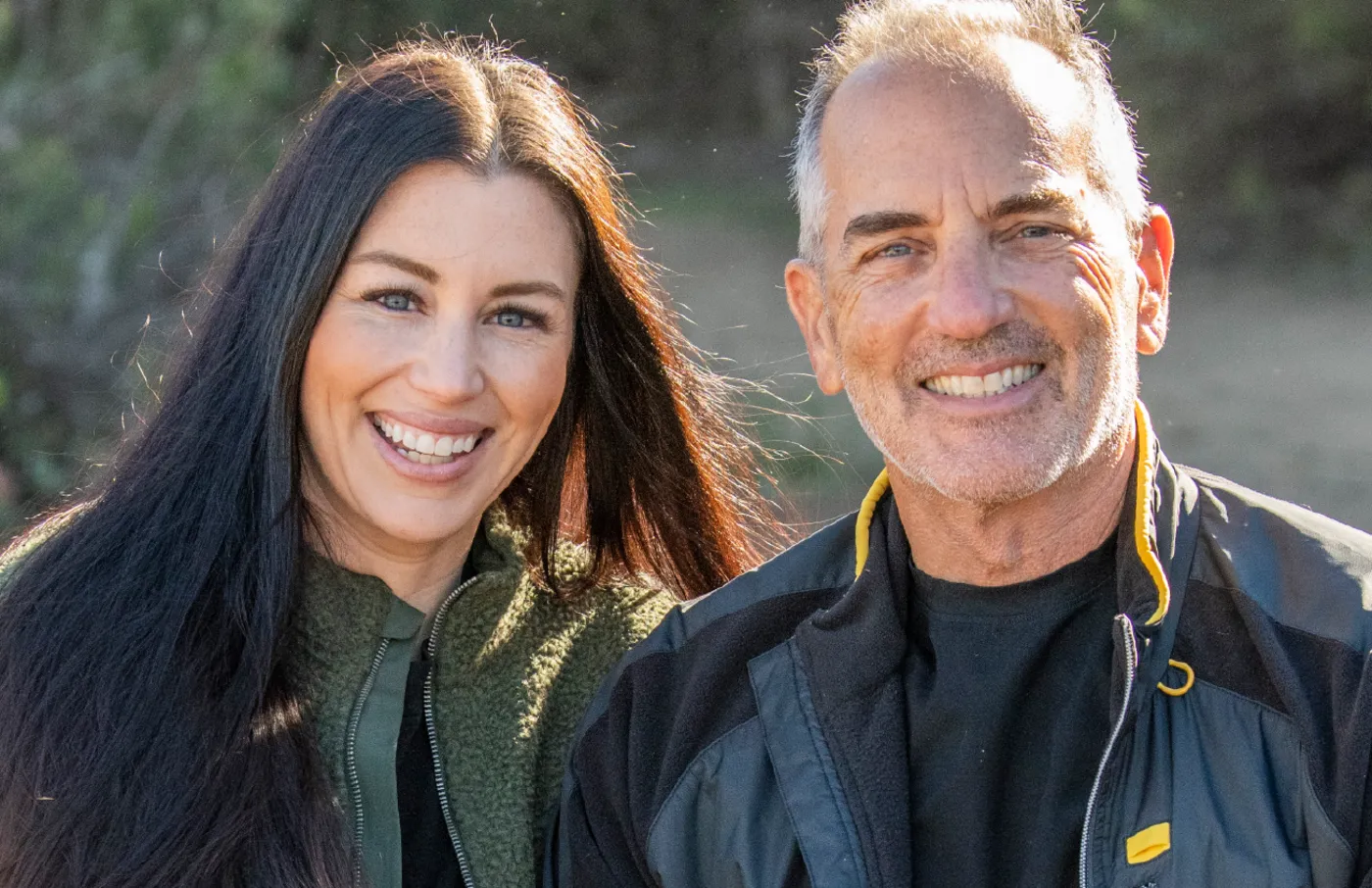
History can get distorted when the founder is the one holding the microphone, so let me be clear. I didn't build Bravo alone. Being a family business gives us the freedom to think long term, weather tough stretches, and stay committed to a big vision. That long horizon is what lets us invest in people, improve our products, and build relationships that last.
Involved from the beginning. I may have been the foundation, but she's been central to turning it into a company that can grow and continue beyond me.
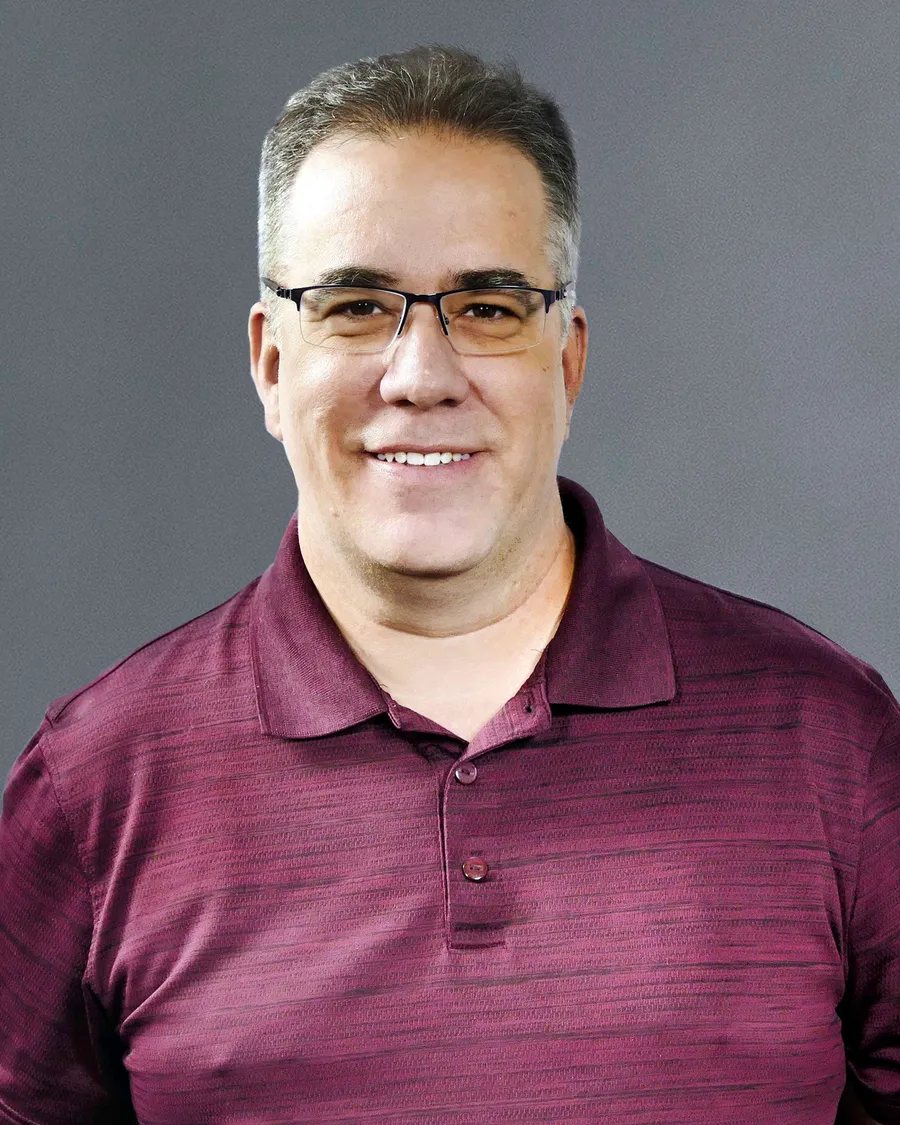
His first job out of UNR was BCLS. An essential architect across every generation since.
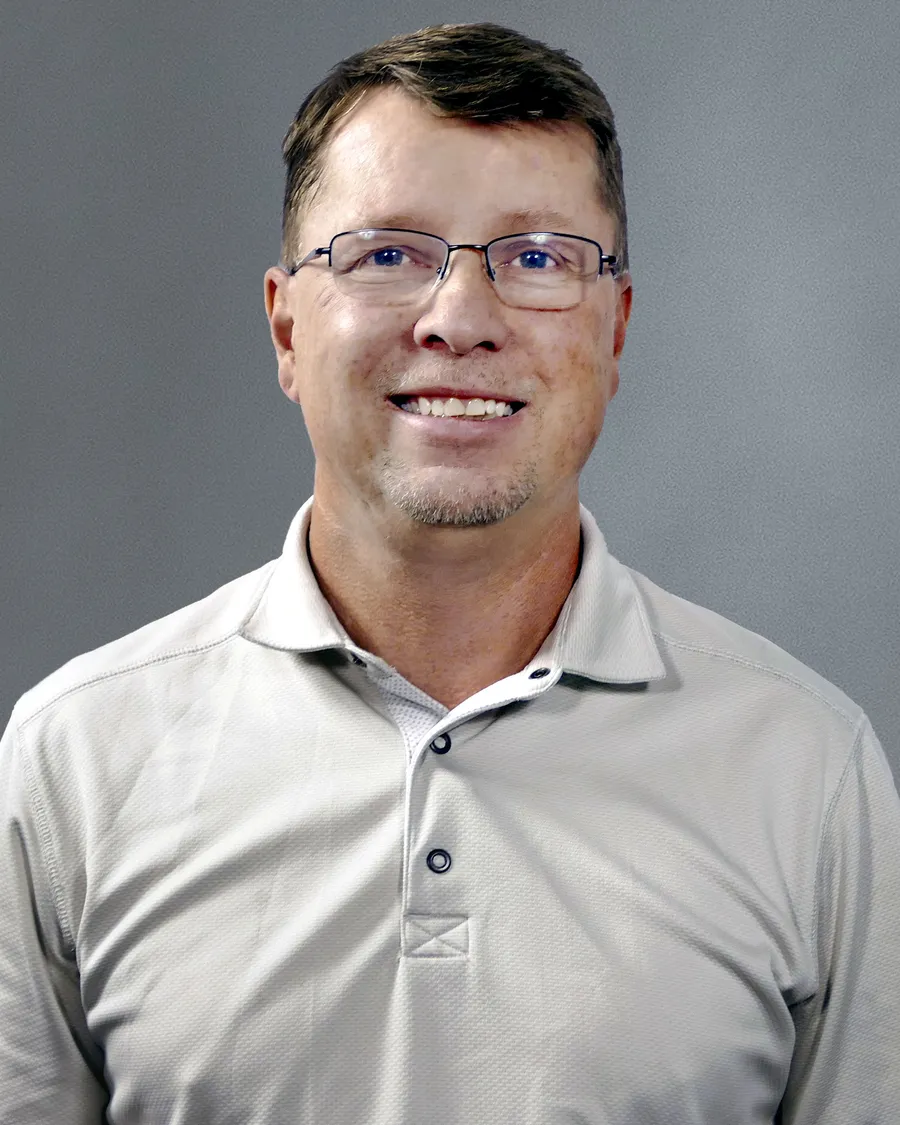
Worked on PRIMA, knows the product and the workflows, and grew up with a pawnbroker father.
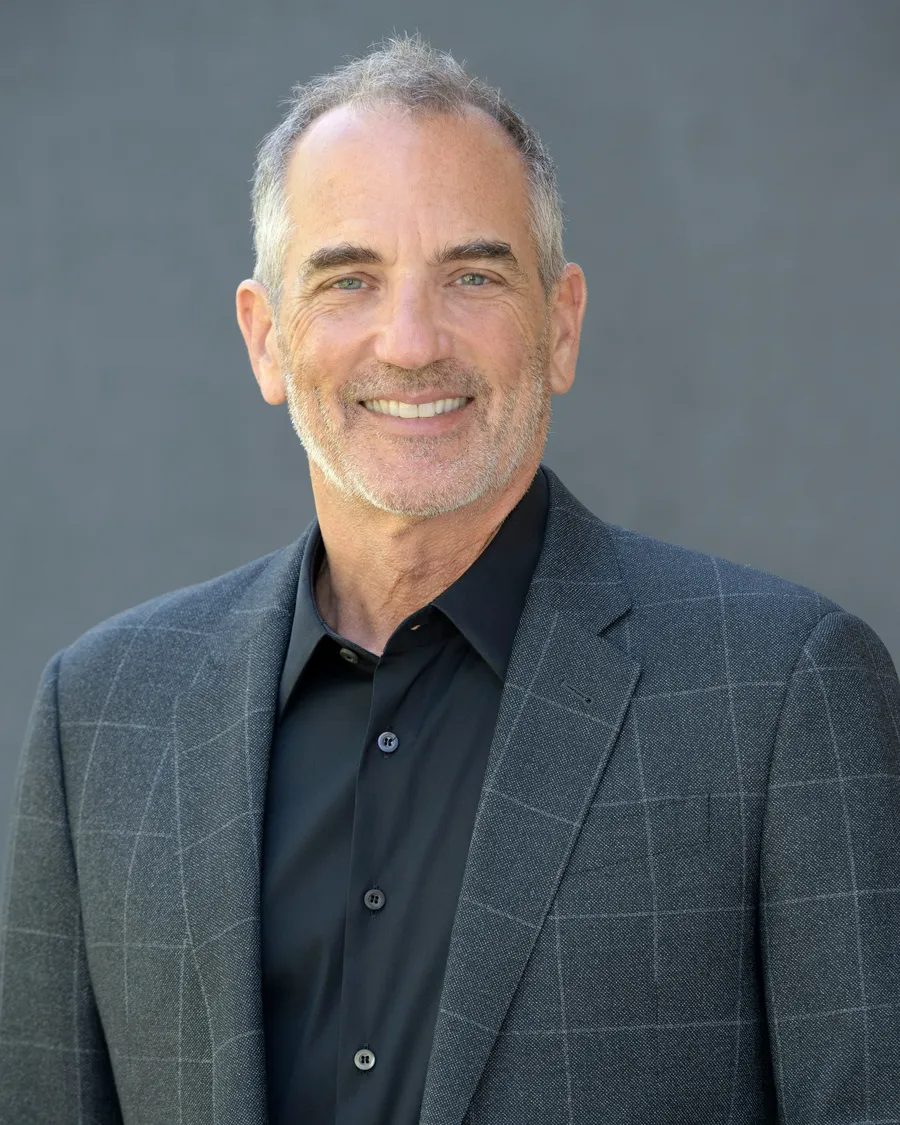
Still rearranging the workflow in his head every time he walks into a store.
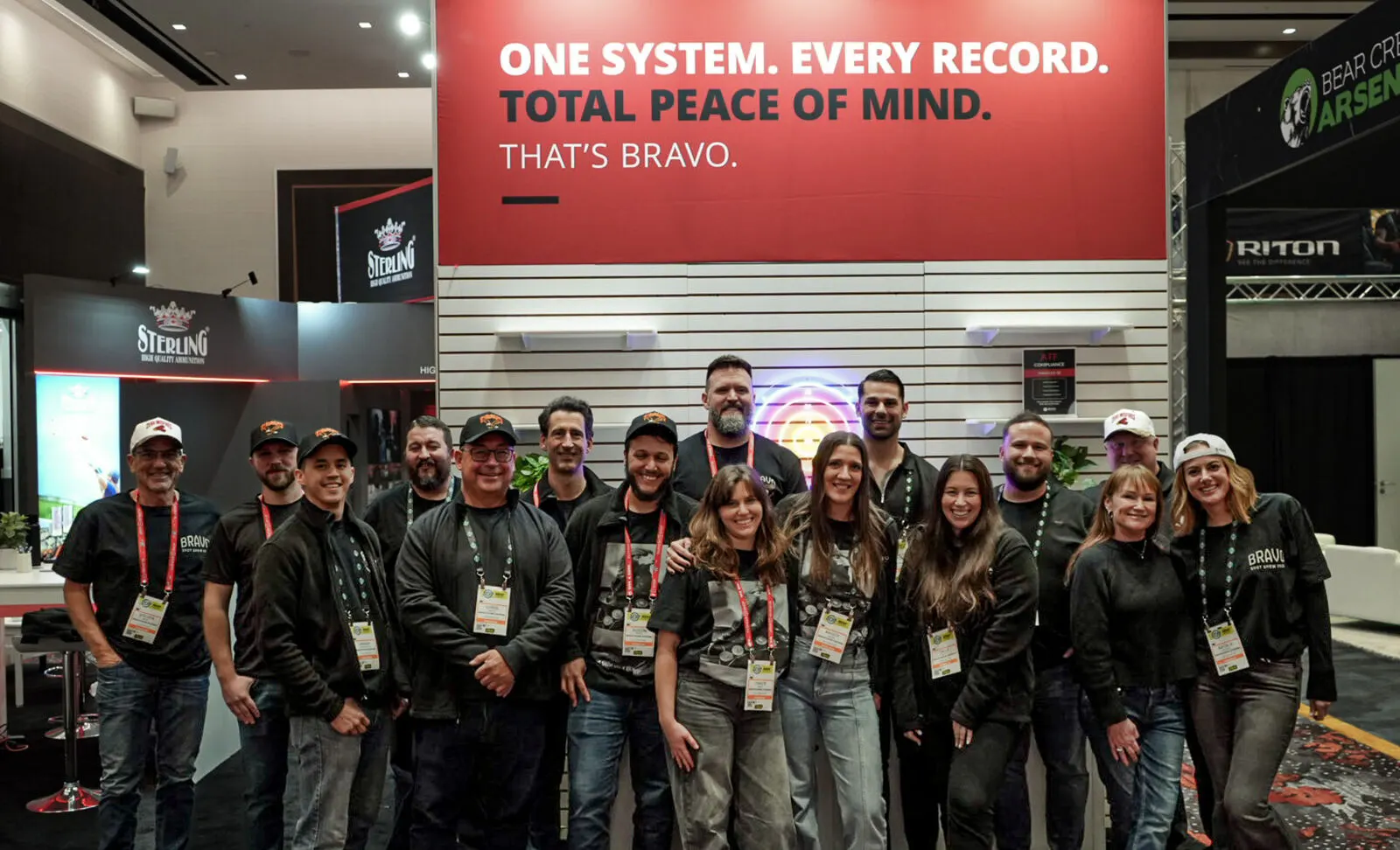
Sherri Hughes, with roughly thirty years on this journey. Paul Sanford, leading how the next generation of Bravo gets built. Our engineering partners at AltexSoft. And everyone who designs, codes, tests, supports, sells, and implements Bravo. Every one of them is part of the story.
After all these years, what gives me pleasure isn't only a big technical release. It's seeing a customer post on Facebook that they love the system, or that they can't imagine operating without it. The language isn't polished. They aren't trying to impress anybody. They're telling other operators what helps them do their jobs.
These improvements matter in real lives.
We started with a family behind a counter.
We built systems upstairs from a store.
We came back together in a condo and started over.
Tally and an extraordinary team have helped carry Bravo into its next generation.
Steve Mack
Founder and chairmanBuilt behind the counter
We'll show you Bravo on your own workflows, with people who know what happens on a busy Saturday.